
Introduction: Why Multi-Hose Hookahs Often Lose Flavor
Multi-hose hookahs are popular for group sessions, lounges, and social gatherings. They allow multiple people to smoke at once, making the experience more interactive. However, many smokers quickly notice a common issue: flavor loss and weaker smoke compared to single-hose setups.
This is not a flaw in multi-hose hookahs themselves—it’s usually caused by improper airflow control, poorly configured valves, or mismatched components. When set up correctly, a multi-hose hookah can deliver rich flavor and dense smoke for everyone.
At Hookah Partner, we often help customers optimize multi-hose setups so they perform just as well as single-hose hookahs. This guide explains how multi-hose systems work, where flavor loss comes from, and how to fix it.
How Multi-Hose Hookahs Work
Unlike single-hose hookahs, multi-hose hookahs divide airflow across multiple ports. Each hose introduces additional airflow pathways, which affects pressure balance inside the stem and bowl.
Key differences include:
-
Shared airflow between users
-
Valve-controlled hose ports
-
Increased demand for airtight seals
If even one hose port leaks air, the entire system suffers.
Common Reasons Multi-Hose Hookahs Lose Flavor
Uncontrolled Airflow
Every additional hose reduces negative pressure. When airflow is not properly regulated, smoke becomes diluted, resulting in thinner clouds and muted flavor.
This is why airtight sealing and valve control are more critical in multi-hose setups than single-hose ones.
Valve System Issues
Some multi-hose hookahs use:
-
Auto-seal ball valves
-
Manual hose valves
-
Permanent open ports
If valves are missing, stuck, or poorly sealed, unused hose ports pull in air continuously, weakening smoke output.
Hose Quality and Compatibility
Low-quality or mismatched hoses can introduce airflow resistance or leaks. Washable silicone hoses with proper grommets perform best in multi-hose systems because they maintain consistent airflow and do not absorb flavor.
Choosing the Right Multi-Hose Configuration
Auto-Seal vs Manual Valve Systems
Auto-seal systems automatically close unused hose ports using ball bearings. These are ideal for casual group sessions where not everyone smokes at once.
Manual valve systems allow full control over each hose port. These are better for lounges or experienced users who want maximum airflow consistency.
Understanding your hookah’s valve design helps prevent flavor loss before it starts.
Airflow Control: The Key to Flavor Retention
Seal Every Connection
In multi-hose setups, even minor leaks compound quickly. Ensure:
-
Hose grommets fit snugly
-
Valves seat properly
-
The base and stem connection is airtight
Using well-fitted hookah bowls with secure grommets also prevents unnecessary air from entering above the tobacco.
Limit Active Hoses When Possible
For the best flavor:
-
Close unused hose ports
-
Remove unused hoses entirely if possible
-
Avoid leaving hoses open between pulls
Fewer active airflow paths preserve pressure and improve smoke density.
Bowl and Packing Considerations for Multi-Hose Hookahs
Multi-hose hookahs benefit from bowls that:
-
Retain heat efficiently
-
Support even airflow
-
Prevent rapid tobacco burnout
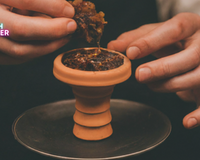
Phunnel-style bowls are especially effective because they keep juices inside the bowl and prevent uneven heating during longer group sessions.
Packing slightly denser than a solo session helps maintain flavor when multiple people are drawing smoke.
Heat Management for Group Sessions
Heat management becomes more demanding in multi-hose setups due to increased airflow variability.
Best Practices:
-
Use consistent coal sizes
-
Rotate coals frequently
-
Avoid adding too much heat at once
Heat management devices help stabilize temperature and reduce the risk of overheating when multiple users draw at different times.
Exploring different heat management options allows better control during long group sessions.
Water Level and Draw Balance
Water level plays a bigger role in multi-hose hookahs than many realize.
Too much water:
-
Increases draw resistance
-
Makes airflow uneven between hoses
Too little water:
-
Reduces filtration
-
Can make smoke harsh
A balanced water level ensures each hose receives consistent airflow and smooth smoke.
Best Use Cases for Multi-Hose Hookahs
Multi-hose hookahs are ideal for:
-
Social gatherings
-
Lounges and cafés
-
Casual group smoking
-
Events and parties
They are less ideal for:
-
Flavor testing
-
Solo sessions
-
High-heat dark-leaf tobacco
Understanding when to use a multi-hose hookah helps set realistic expectations for performance.
Traditional vs Modern Multi-Hose Designs
Traditional multi-hose hookahs often relied on open ports, which required constant hose blocking. Modern designs use engineered valve systems that improve airflow control and flavor retention.
Modern multi-hose hookahs paired with high-quality hoses and proper seals perform significantly better than older designs.
Expert Tips from Hookah Partner
-
Always check valve balls before each session
-
Replace worn grommets regularly
-
Keep unused hoses sealed or removed
-
Use bowls designed for longer, stable sessions
-
Avoid mixing too many tobacco flavors in one bowl during group smoking
These small adjustments make a noticeable difference in flavor and smoke quality.
Conclusion: Multi-Hose Hookahs Can Deliver Full Flavor
Multi-hose hookahs do not have to sacrifice flavor. When airflow is controlled, valves are properly sealed, and heat is managed correctly, group sessions can be just as enjoyable as solo ones.
By understanding how multi-hose systems work and making smart adjustments to airflow, packing, and heat, you can enjoy rich flavor and dense smoke—no matter how many people are smoking.
For expert advice, performance-focused accessories, and reliable setups, Hookah Partner continues to be a trusted source for hookah enthusiasts who care about quality sessions.